A Journey That Opens the Eyes
Time teaches that what truly matters is not what we receive, but what we give.
And travel—like life itself—is the best teacher of that truth.
November 2009. From Jayapura, I departed with two YALI Papua staff members and a volunteer from Dabra to Mamberamo—specifically, to Pagai Village in the Airu District.
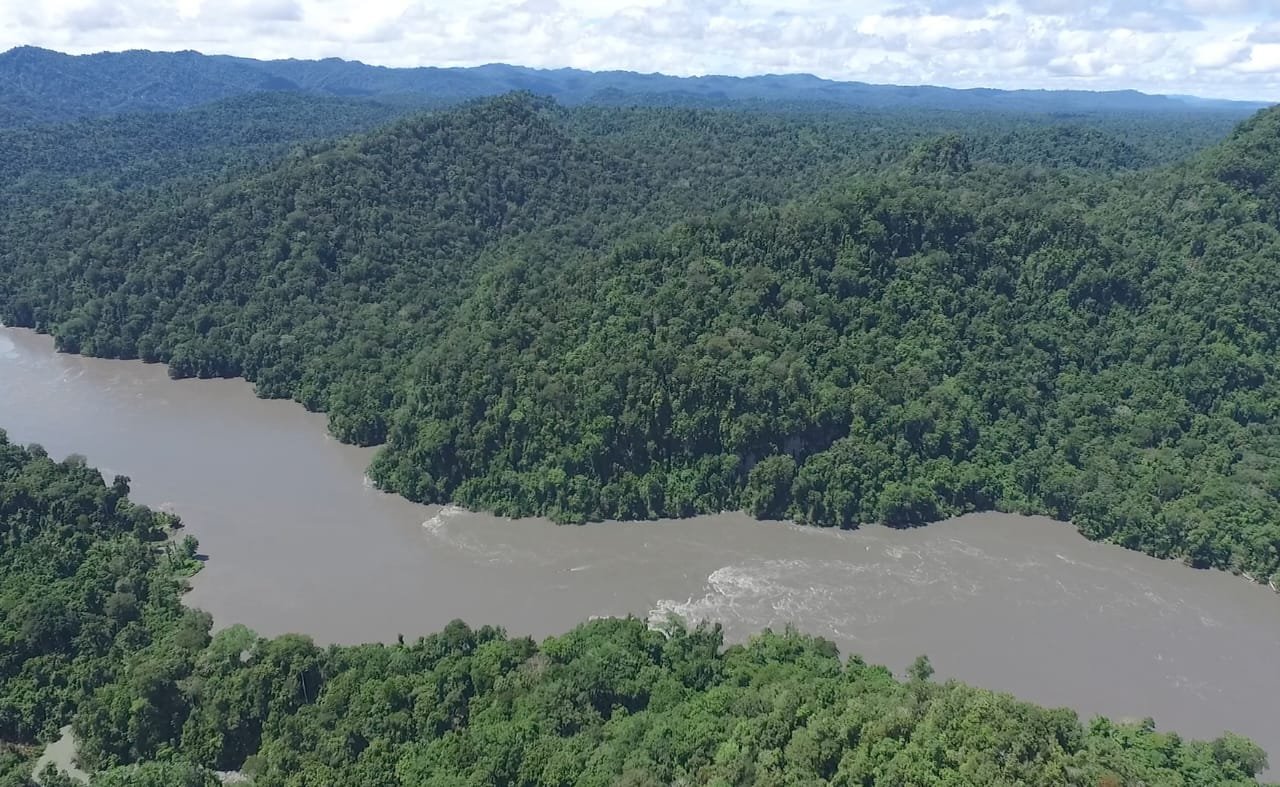
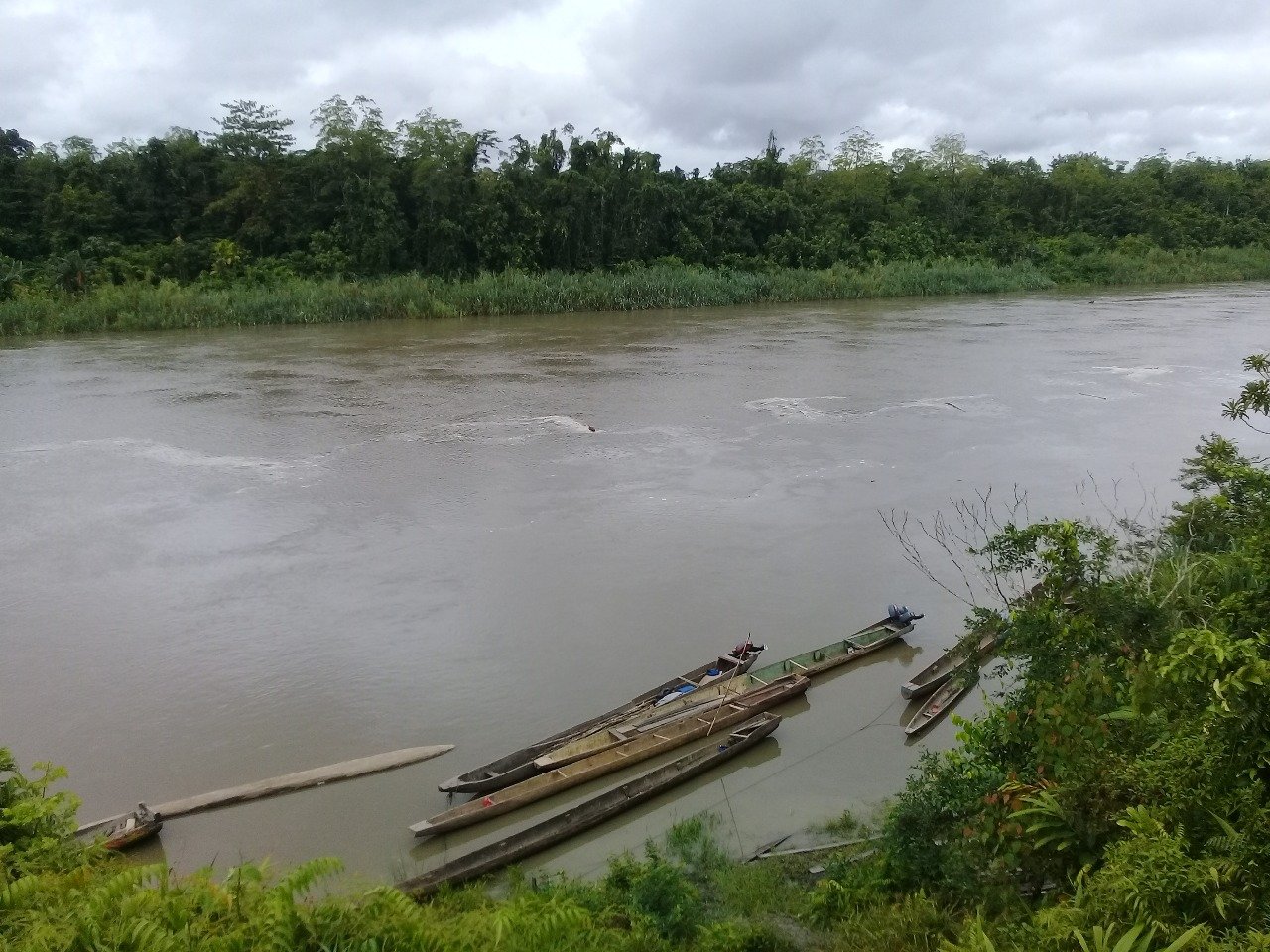
Mamberamo is more than a place on the map; it is a quiet realm that tests one’s courage, patience, and curiosity. Its wilderness is vast, its rivers wide, and every breeze seems to whisper ancient tales of people living in harmony with the forest.
We came for a preliminary study. Upon arriving in Pagai, we stayed at the community health center, which also served as the home of two medical attendants. Not long after, the district health team arrived with an immunization program. Villagers came bringing their children. Amid the bustle, our activities merged with theirs—laughter and light conversation bridging the gap between “helpers” and “the helped.”
A Village Sustained by Unity
Pagai Village was formed through the unification of several tribes scattered across Mamberamo. The Kabaury language became the bond that united them into one identity: the people of Pagai. Yet within their wooden homes, their original tongues still lived—spoken in family circles like small fires kept burning through the night.
The village is divided into two hamlets: Naira upstream, along the Jayapura–Wamena road, and Kamikaru downstream, nestled between forest and river. Its nature is serene, its water clear, its air cool and sharp. Some Pagai residents are migrants from Anggruk who lost their homes to an epidemic. They were given land to cultivate—but ownership remains with the Pagai people.
Life in Pagai moves to a rhythm of openness. The villagers are frank and honest; if they dislike something, they will say it to your face. There are no polite pretenses—only the clarity of truth flowing like a stream that cannot be hidden.
A Day at the River: The Beginning of a Misunderstanding
That day, there was still no word from Tariku Aviation—the plane scheduled to pick us up hadn’t come. To pass the time, I played back recordings from the previous night’s wedding celebration. Some women heading to the river to wash stopped to listen. They invited me to join.
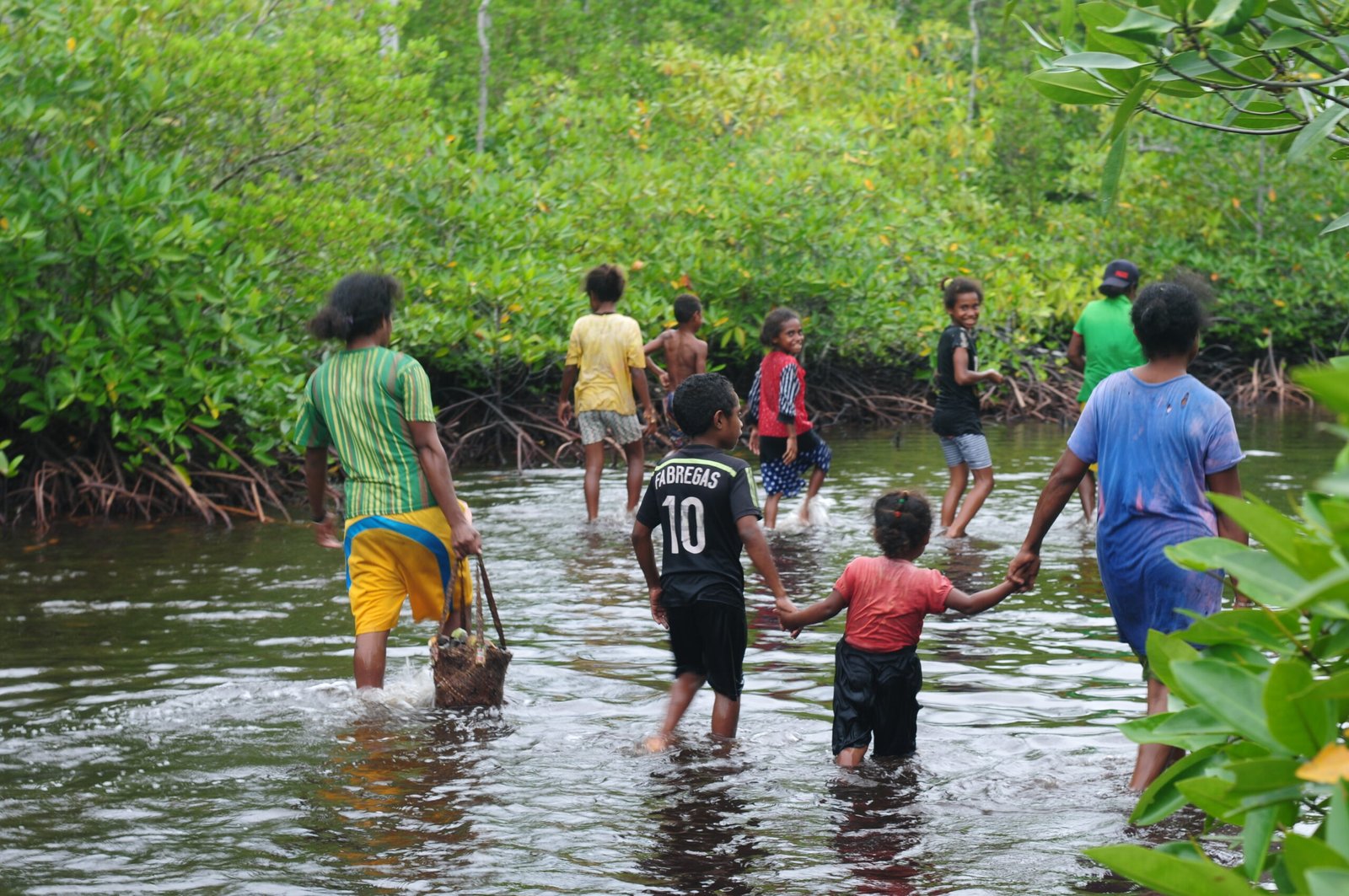
We walked about 150 meters from the health post to the river. I brought some snacks and cigarettes—a small gift to share laughter. At the riverside, children ran and played, mothers chatted and posed. I photographed them in that joyful moment. There was no intention beyond capturing a simple memory of togetherness.
But by late afternoon, another message arrived: a husband was angry because his wife had returned late from the river. When asked by his nephew, the child innocently replied,
“They were taking photos at the river.”
A simple sentence—but enough to ignite sparks.
“Trial” in the Village Chief’s Yard
That night, I was summoned to the village chief’s house. His yard had turned into a meeting place—or, as I called it, the “village court.”
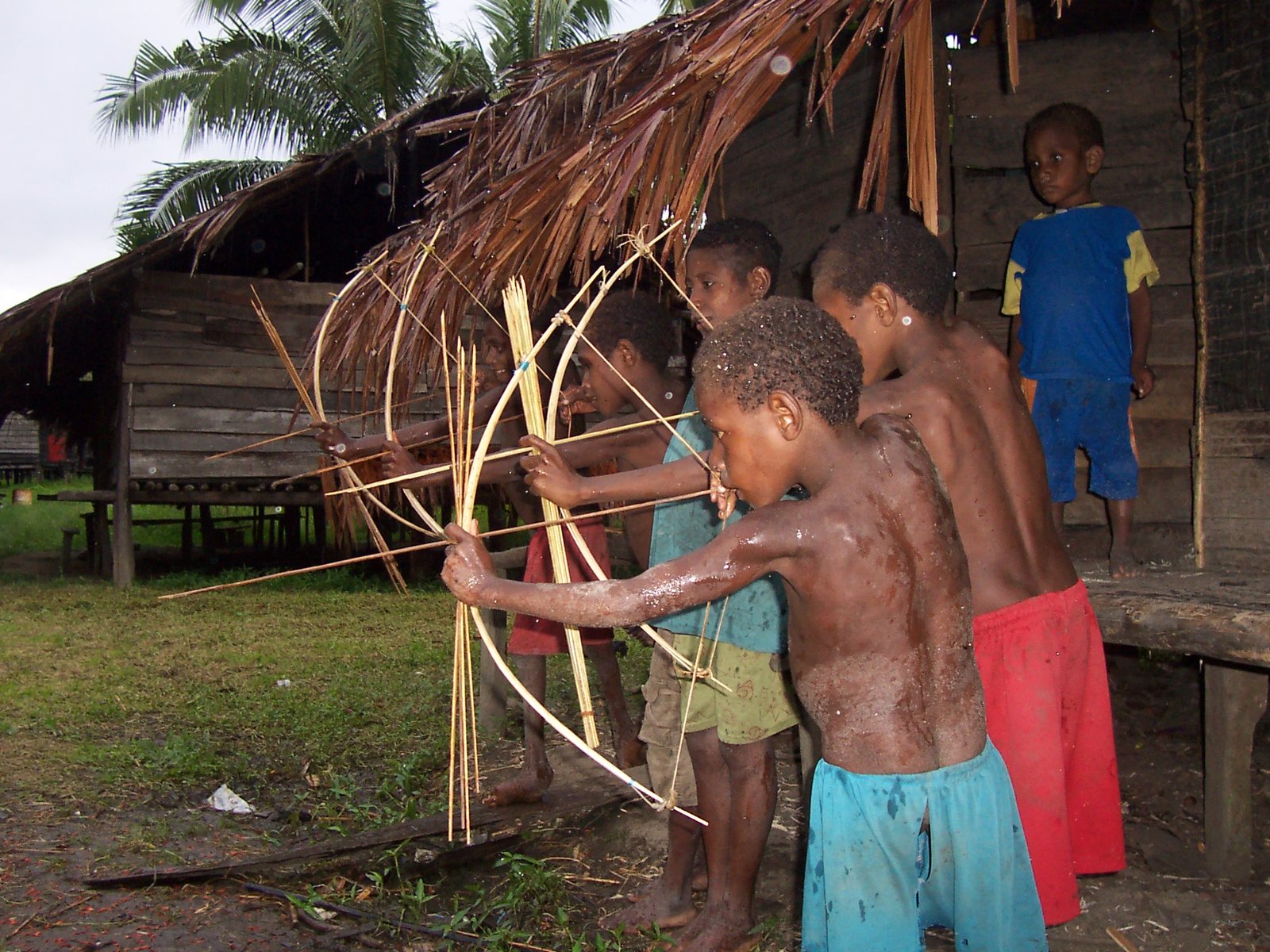
The air was tense. Several young men stood with bows and spears, dancing in a rhythm of war.
The accusation: I had photographed women while they were bathing and would spread the images—like the indecent pictures they had once seen at a military dormitory.
I sat quietly. Not afraid, but with a weight in my chest. The village chief pointed to the witnesses: only children, as they were considered the most honest. My phone was taken as evidence.
One by one, the witnesses spoke. Slowly, the truth surfaced: there were no inappropriate photos. All that was captured were smiling faces by the riverside.
The meeting ended peacefully. But for me, that night marked a turning point—a profound lesson in how the people of Mamberamo guard the dignity of their women.
The Meaning of Protection and Trust
We often see village women through an outsider’s lens—bound by tradition, constrained by male authority. But in Pagai, I learned otherwise.
What looks like restriction is born of love and respect. To them, women are the source of life—the keepers of balance, the calmers of anger, the mediators of conflict.
One mother once told me,
“A Mamberamo woman knows when to guard, when to refuse, and when to protect herself.”
Women also hold authority over natural resources—when a woman commits to protecting her land, her decision is respected by men and by custom. This is balance in its truest form—something not always visible through an outsider’s eyes.
But there are scars that make them wary. Too often, outsiders come with promises and leave behind betrayal. From those wounds, caution was born—not out of hostility, but as a way to protect themselves and their land.
A Note on Leaving Pagai
I left Pagai filled with deep admiration. I learned that trust is not a gift to be demanded; it grows from honesty and time.
And once it is given, it binds stronger than any written agreement.
Pagai taught me that a journey is not just about distance—it is about understanding people and nature in a single breath.
That journey awakened an awareness: that protecting people is just as vital as protecting forests, rivers, and land—because life itself is woven from all of these.
By: Nafli
(This essay is adapted from the author’s field experience while working with YALI Papua during a preliminary study in Pagai Village, Airu District, Jayapura Regency, in 2009.)