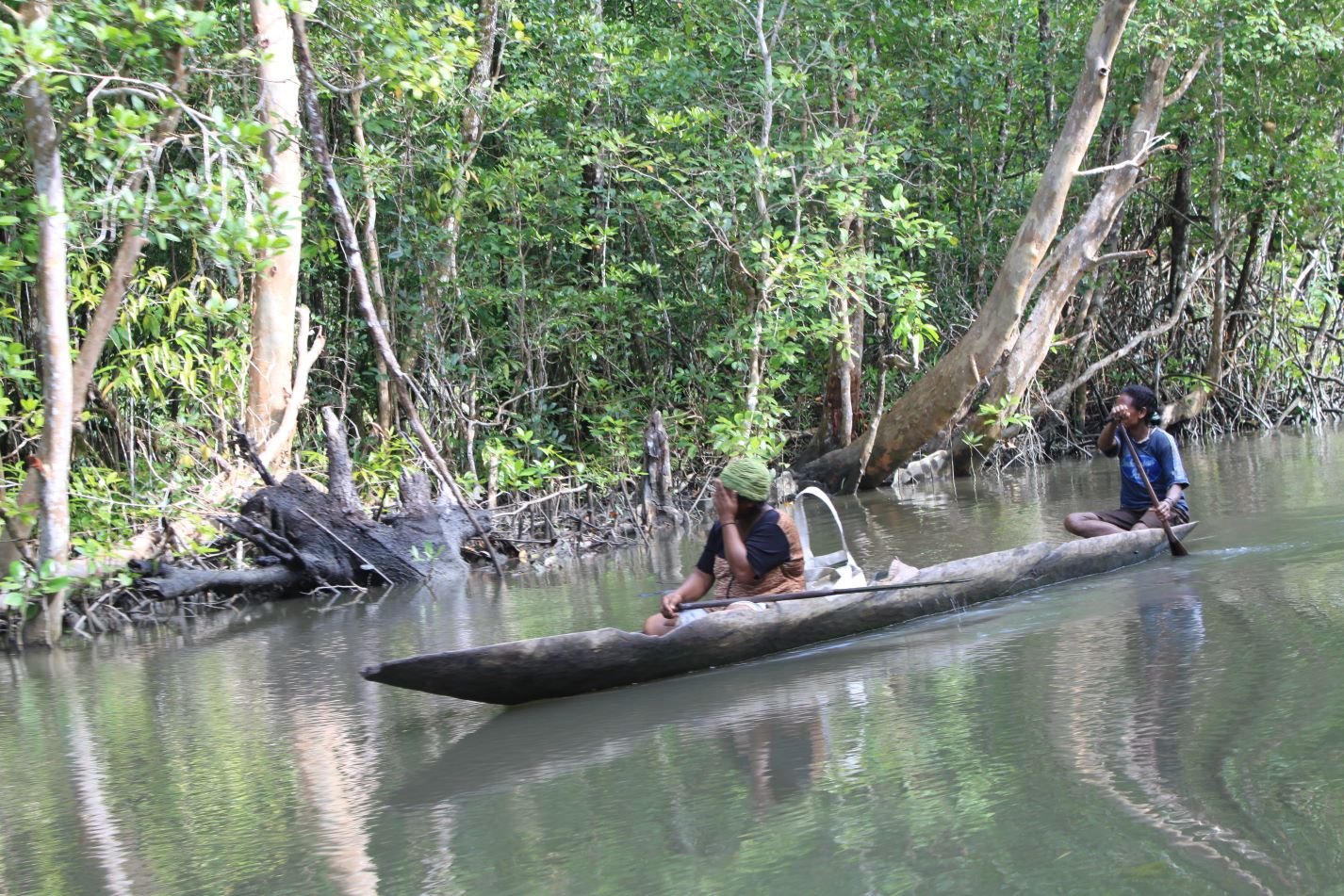
On the northern coast of Mamberamo Raya Regency, Papua, lies a village surrounded by a vast expanse of mangrove forest. It is called Rapamerei, part of Sawai District. The village is located about 111 kilometers east of Serui, the capital of Yapen Islands Regency, or roughly 100 kilometers northwest of Kasonaweja, the capital of Mamberamo Raya Regency.
Geographically, Rapamerei is not particularly far from government centers. Yet limited transportation access makes the village feel as though it exists in a different world.
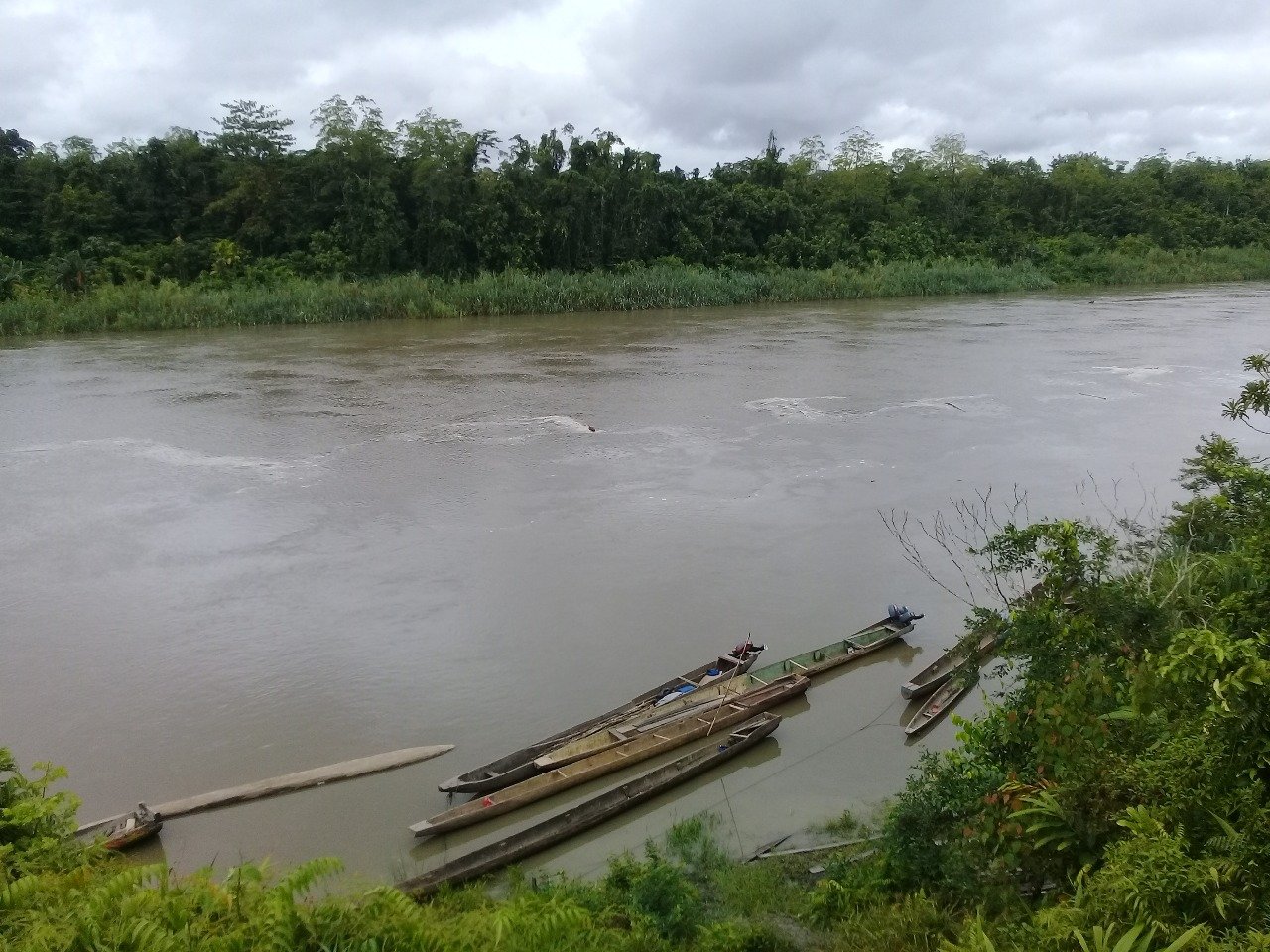
The only routes to Rapamerei are by sea and river, using wooden boats, speedboats, or longboats. The absence of regular public transportation means residents must rely heavily on privately chartered boats, which are costly.
Rapamerei is not alone in facing this problem. Other villages in Sawai District, including Poiway, Bonoi, Sorabi, Anasi, and Tamakuri, have endured similar conditions for decades.
“This is not only a problem in our village. People in Poiway, Bonoi, Sorabi, Anasi, and Tamakuri also face transportation difficulties. For years, we have not received adequate attention,” said Maurits Pameinai, acting head of Rapamerei Village.
According to Maurits, residents who do not own speedboats must depend on the goodwill of boat owners whenever they need to travel to town.
Transportation Costs Remain Extremely High
The fastest route to Rapamerei is still through Serui. By a speedboat powered by a 40-horsepower engine, the journey takes around four to five hours. A wooden boat, meanwhile, requires 10 to 12 hours under normal weather conditions.
Because there is no commercial transport service with a fixed schedule, residents and visitors traveling to Sawai District usually have to charter a twin-engine speedboat from Serui to Poiway or Barapasi at a cost of around Rp7 million. From Poiway, the journey continues by local speedboat to Rapamerei, costing about Rp1 million for a one-way trip.
Wooden boats are a more practical option for transporting large quantities of materials, but charter fees still range from Rp6 million to Rp10 million.
Maurits said transportation costs could be reduced if the pioneer vessels serving Kurudu Port operated on a reliable schedule.
“We cannot rely on the pioneer ships. Even people in Kurudu do not know when the ships will arrive. The government should pay serious attention to this problem,” he said.
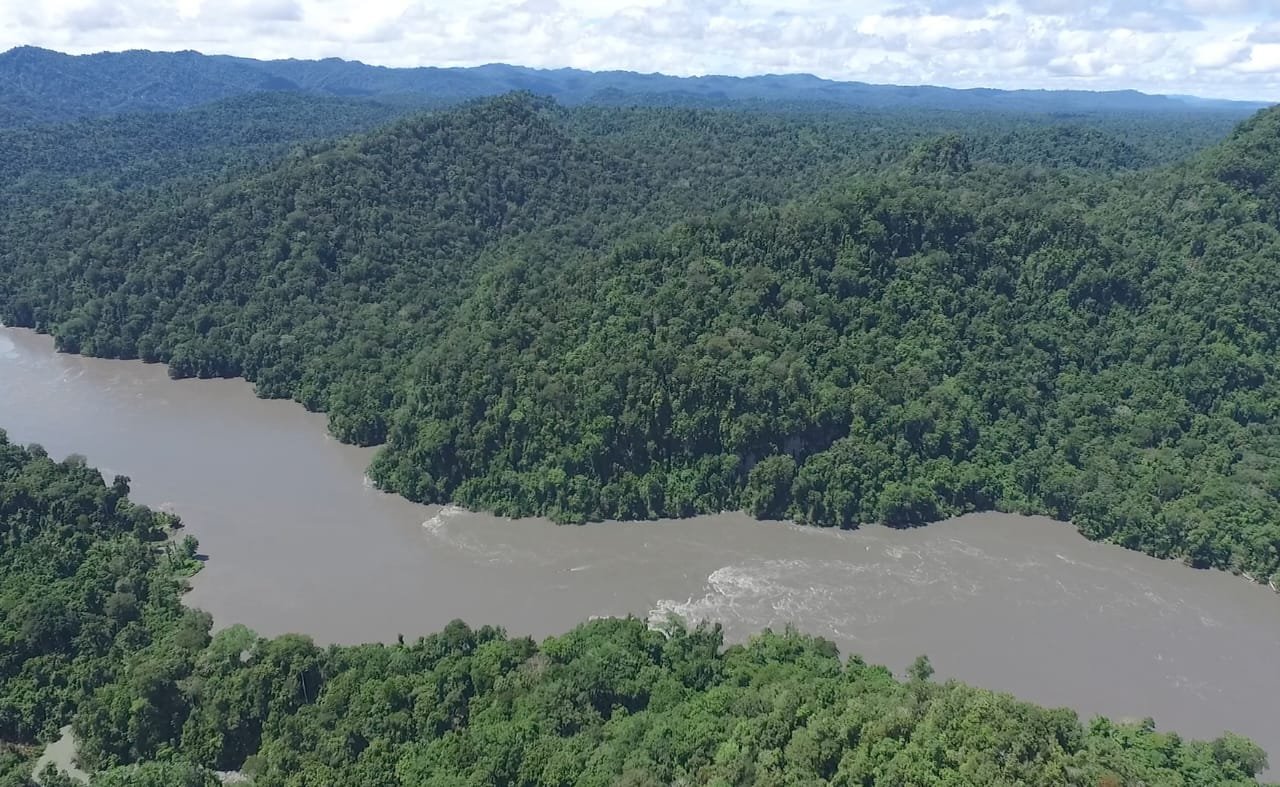
Traveling through Kasonaweja is not an easy alternative either. The journey requires about 600 liters of fuel and involves crossing the Mamberamo River estuary and surrounding waters, which can become dangerous during bad weather.
Poiway Begins to Improve
On the way to Rapamerei, the group stopped in Poiway Village, the administrative center of Sawai District.
Unlike during an earlier visit, the village appeared more active. Construction materials were piled near the port, while a new Toyota pickup truck was seen transporting building supplies to a project site.
Obeth Iwanggin, Poiway Village’s development affairs officer, said the vehicle had been brought in by a contractor building 16 healthy housing units funded by the Mamberamo Raya Regency Government.
“The vehicle makes it easier to distribute construction materials so the housing project can be completed on schedule,” he said.
Residents were also working together to widen the village road to four meters, allowing vehicles to move more easily.
In addition to the housing project, electrical installations were being fitted in every home. A power generator purchased through the PNPM Mandiri Respek community empowerment program had also arrived and was ready to be operated.
“Once all the houses have been connected to electricity, the generator will be switched on,” said Poiway Village Head Onesimus Manemi.
He said various government programs introduced in recent years had brought tangible changes to the community, including village empowerment funds, infrastructure development, and improvements in basic public services.
Mangrove Forests, the Community’s Source of Life
From Poiway, the journey to Rapamerei takes about 30 minutes by speedboat.
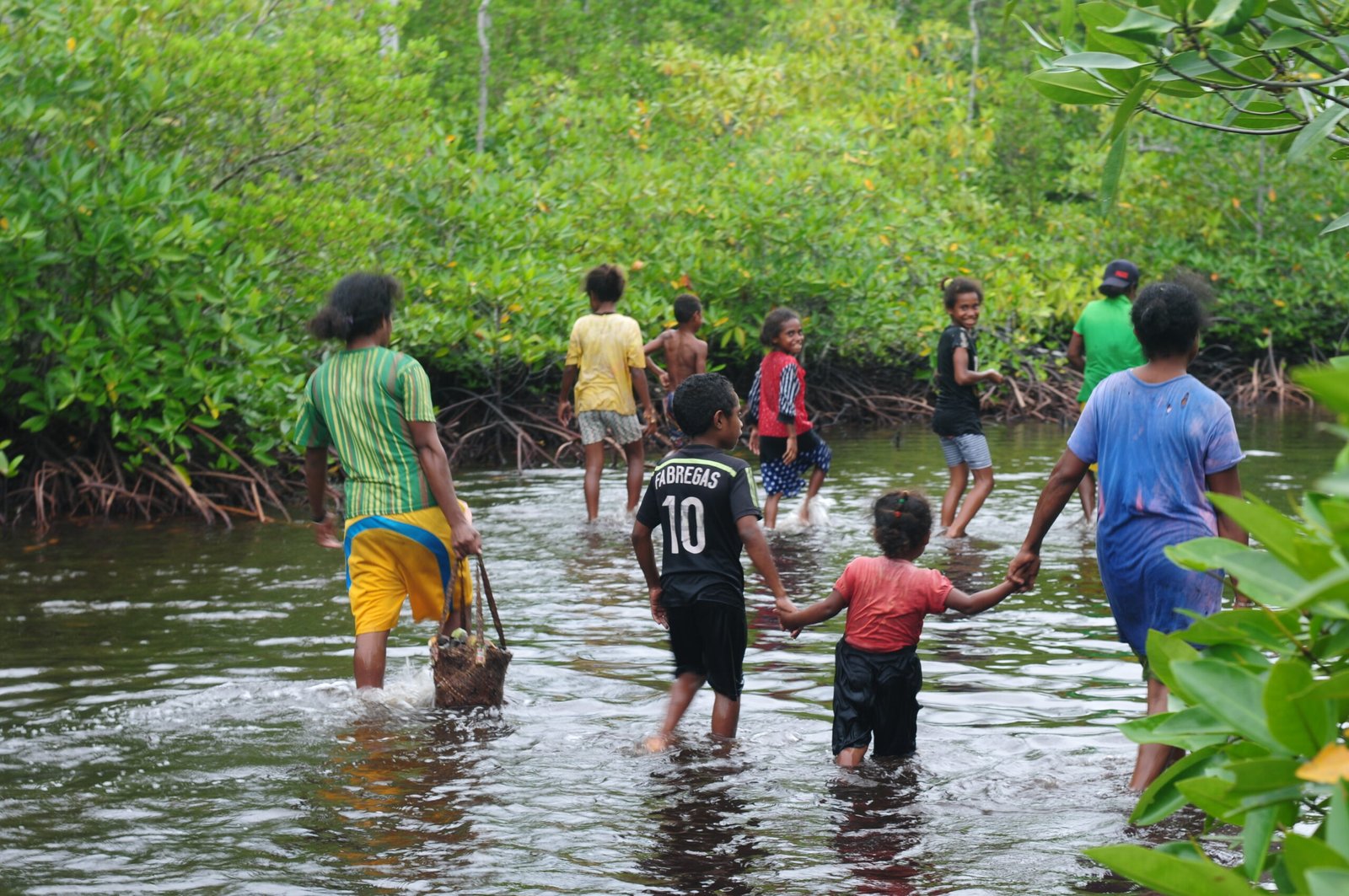
Along the way, mangrove forests dominate the landscape, stretching along the river channels. The trees grow densely, forming a natural barrier that covers nearly the entire riverbank.
For the people of Rapamerei, the mangrove forest is more than a landscape.
“This is our dining table,” said Rapamerei Village Head Oddy Pameinai.
According to him, the mangrove ecosystem provides nearly all of the community’s food needs, including fish, crabs, shrimp, shellfish, and even crocodiles. Sago palms, which provide the staple food for local residents, also grow throughout the area.
“When we need food, we only have to bring a fishing line or a net. Everything is available here,” he said.
Development Is Beginning to Be Felt
Upon arriving in Rapamerei, the group was greeted by a wooden boat belonging to Bugis-Makassar traders who were selling household goods.
After speaking with residents, the visitors continued to the village head’s house.
Oddy said residents only began to experience meaningful development after Rapamerei became part of Mamberamo Raya Regency.
Annual village empowerment funding of Rp200 million, combined with more than Rp300 million a year from the PNPM Mandiri Respek program, has transformed the village.
Through these programs, residents have built a three-kilometer concrete village road, a clean-water network, 32 household toilets, and electrical installations. The programs have also provided grass-cutting machines, a power generator, and two speedboats powered by 40-horsepower engines.
“The government’s attention to the village has been quite good. What still needs to be improved are education, healthcare, and transportation services,” Oddy said.
Rapamerei has undergone three administrative changes. It was first part of Yapen Waropen Regency, then Waropen Regency, before becoming part of Mamberamo Raya Regency following the region’s establishment in 2007.
For residents, these administrative changes have meant more than simply redrawing government boundaries. They have begun to experience development that had previously been beyond their reach.
Even so, one fundamental problem continues to overshadow everyday life: isolation.
As long as adequate transportation links remain unavailable, villages along the northern coast of Mamberamo Raya will continue to live between two realities—rich in natural resources, yet burdened by the high cost of reaching the outside world.*)
By Alberth Yomo