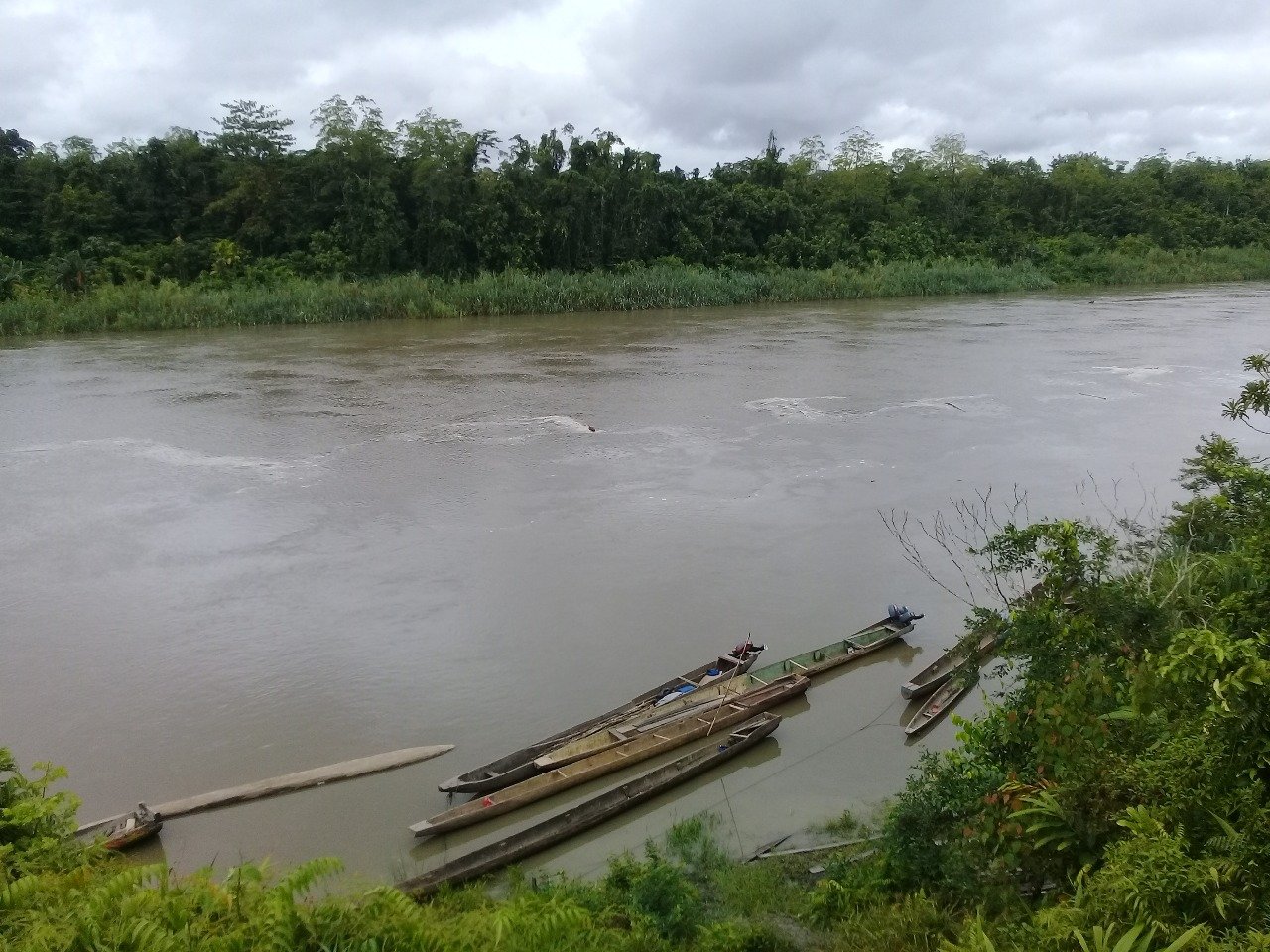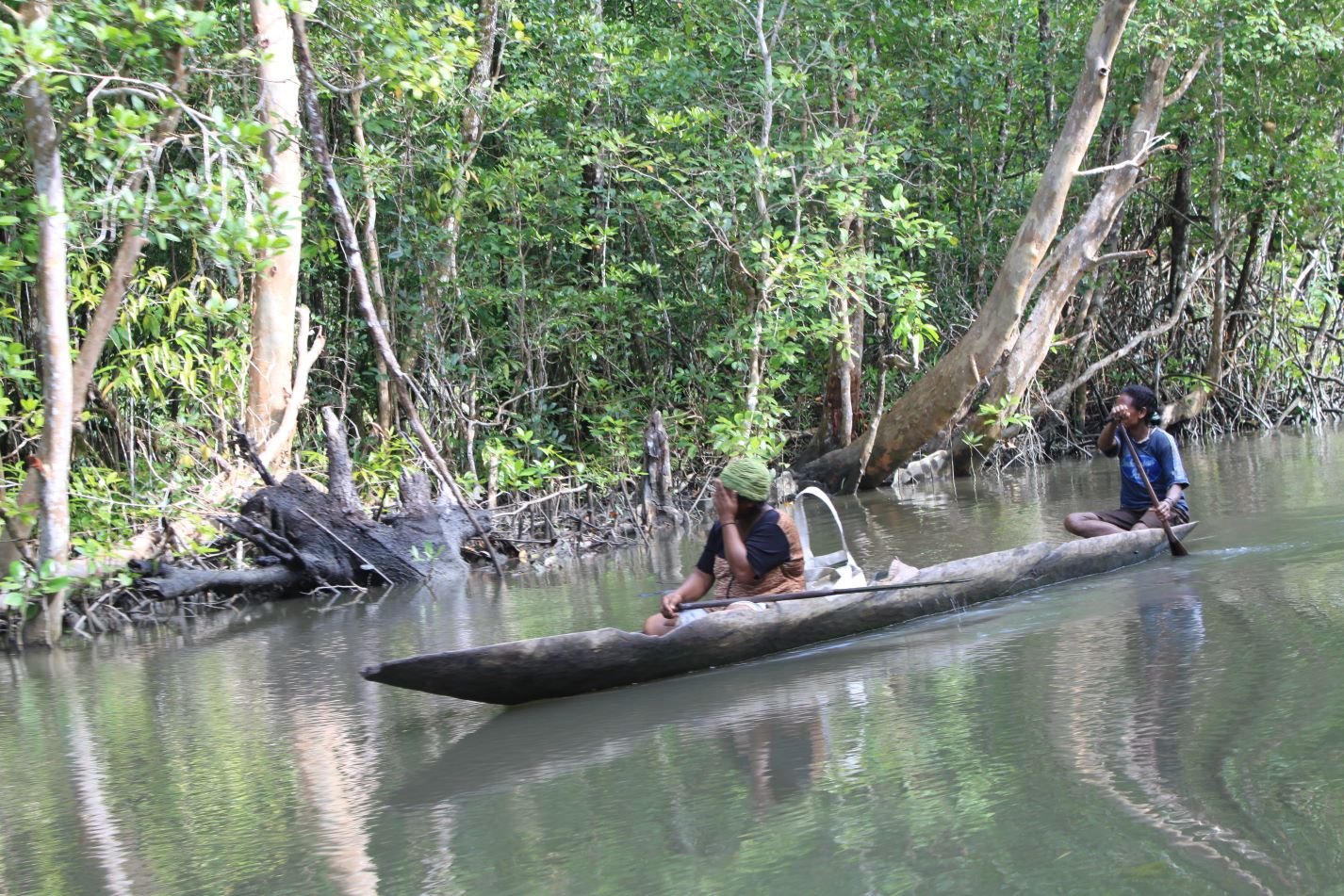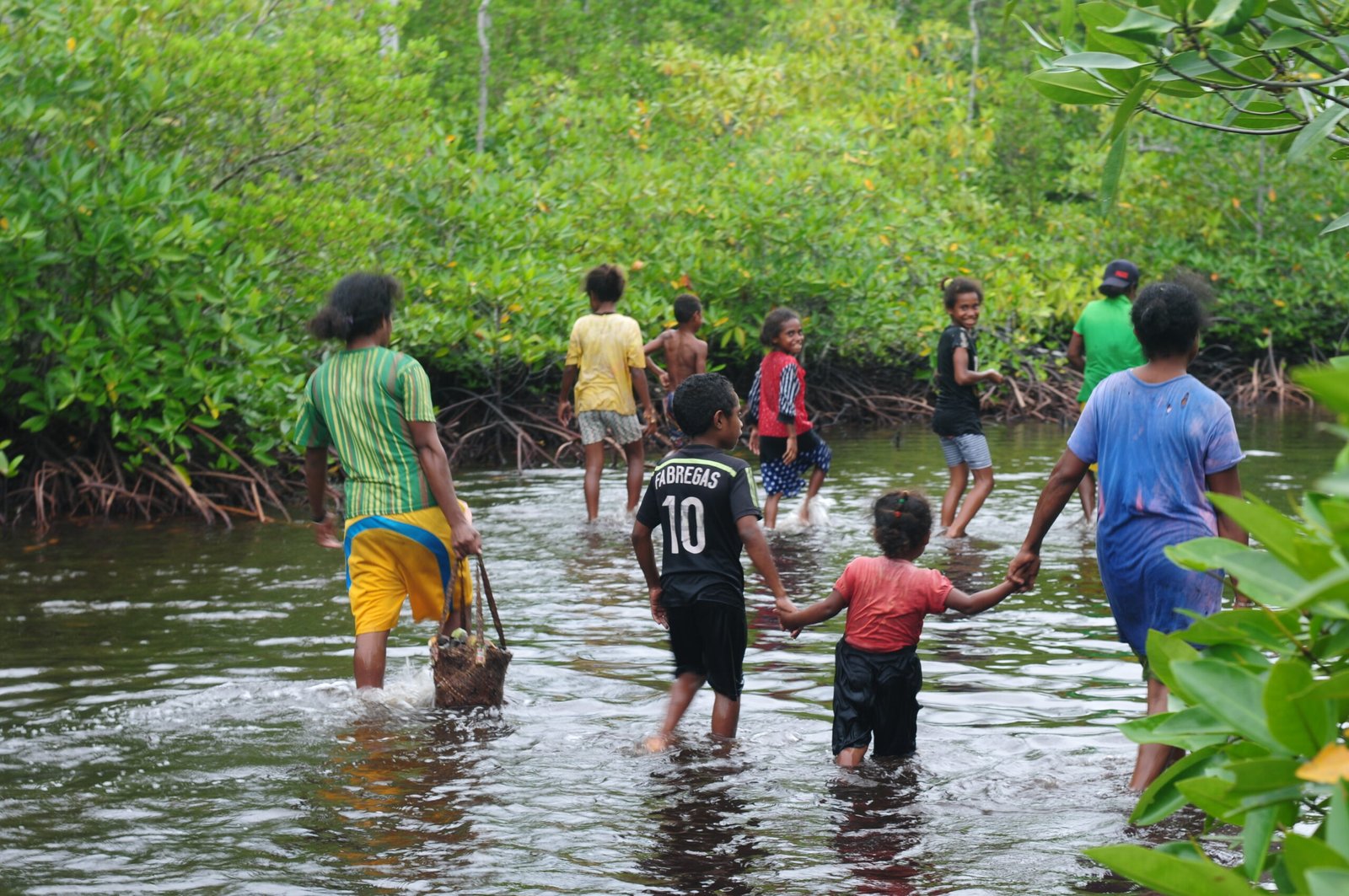
In the Land of Papua, the forest is not merely a collection of trees, and the river is not simply a flow of water. Nature is the mother who gives birth to life — a dwelling place for humans and ancestral spirits in harmony.
Here lies the vision of the Intsia Foundation: “Independent and prosperous Indigenous Papuans through the just management of natural resources.”
This statement holds a profound philosophical view about freedom, justice, and the meaning of being a Papuan in the modern world.
From the lens of existential philosophy, independence is the highest form of human freedom. Jean-Paul Sartre called it “existence precedes essence” — that humans become who they are not because they are determined, but because they choose their own path in life.
When Intsia speaks of “independent Indigenous communities,” it is in fact calling for liberation — from the shadow of dependence on bureaucracy, donor projects, and the resource capitalism that often forgets the people behind the land itself.
The independence in question goes far beyond economics. It touches the realm of consciousness: the courage to think and act, the conviction that Papuans have the right to determine their own future just as they have the right to the land where they were born. In that sense, Intsia’s vision is an existential statement — that Papua thinks and acts for itself.
The missions formulated by Intsia reflect a social ethic that stands on the side of communal life.
When this organization pushes for fair natural resource management policies, it is challenging the modern mindset that sees nature merely as an economic object.
From an environmental philosophy perspective, nature has intrinsic value — it is not something to be exploited, but something to be respected. Nature possesses dignity just as humans do, and ecological justice is a prerequisite for human justice.
The involvement of women in the planning and management of natural resources shows that Intsia understands the value of care ethics — an ethic of empathy and relationship as the core of morality. In Indigenous communities, women are the guardians of life’s balance. Giving space to their voices means upholding the moral integrity of the community.
Likewise, the mission to strengthen household economies and customary institutions affirms the basic principle of communitarian philosophy: humans cannot live apart from their community. The moral strength of Papua does not come from the market, but from social relations nurtured in the honai (traditional house), the garden, and customary spaces.
The values upheld by Intsia — transparency, accountability, equality, democracy, and integrity — are tangible forms of public ethics.
Immanuel Kant wrote that true morality is doing what is right not out of fear of punishment, but because it is right.
Intsia’s values rest on that awareness: to act honestly not because of surveillance, but because truth is part of human dignity.
Meanwhile, independence and integrity signify a strong moral stance — to be an institution free from political and economic pressure, yet faithful to truth and social responsibility.
Philosopher Martin Buber described true relationships as I–Thou rather than I–It. In Intsia’s context, the relationship with Indigenous communities must be dialogical, not transactional.
The philosophy flowing from Intsia’s vision and values does not end at the borders of Papua. It touches the very core of universal humanity.
Today’s world has lost its way because humans have separated themselves from nature, chasing progress while destroying their roots. Intsia reminds us that the future lies in harmony, not domination.
By weaving together Melanesian Indigenous values — where land, humans, and spirit are one — with modern principles such as transparency and democracy, Intsia is building a bridge between tradition and civilization.
This is a form of practical philosophy rarely found in development institutions: building without uprooting.
Intsia does not merely work in the field of natural resources — it plants ideas about humanity.
That true well-being is not born from projects, but from ethical awareness to live in harmony with the land and with others.
That freedom is not a word to be spoken, but a struggle to be lived — against dependence, injustice, and fear.
From a philosophical perspective, Intsia’s work is a form of praxis — knowledge that takes shape in action. It affirms a simple yet profound message:
“Papuan people are not poor because their land is barren, but because their values of justice are neglected.”
And that is where Intsia stands — as a reminder that from the forests, swamps, and lakes that are protected, not only life is born, but also wisdom.
(By: Alberth Yomo)