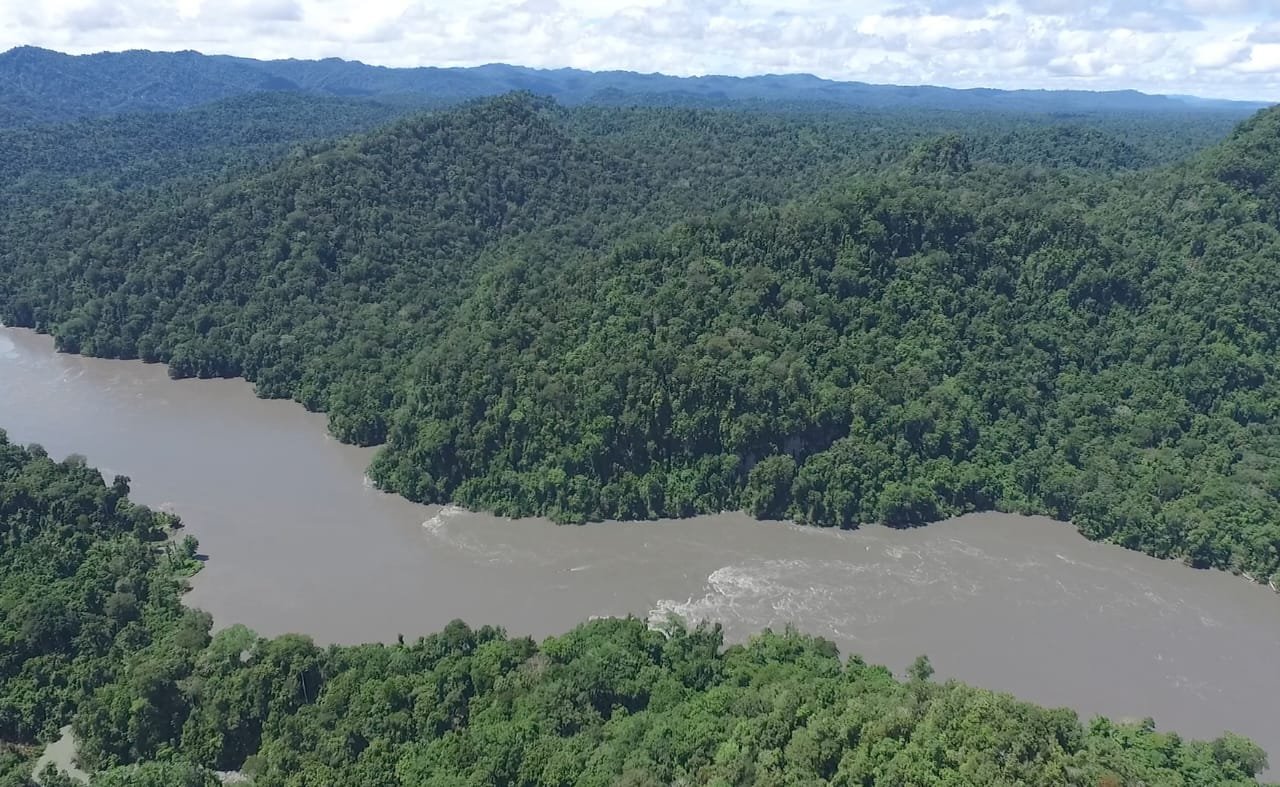
From Wildlife Reserve to National Park — where nature, tradition, and policy meet to negotiate the future of the largest forest in northern Papua.
The Vast Forest, the Few Guardians
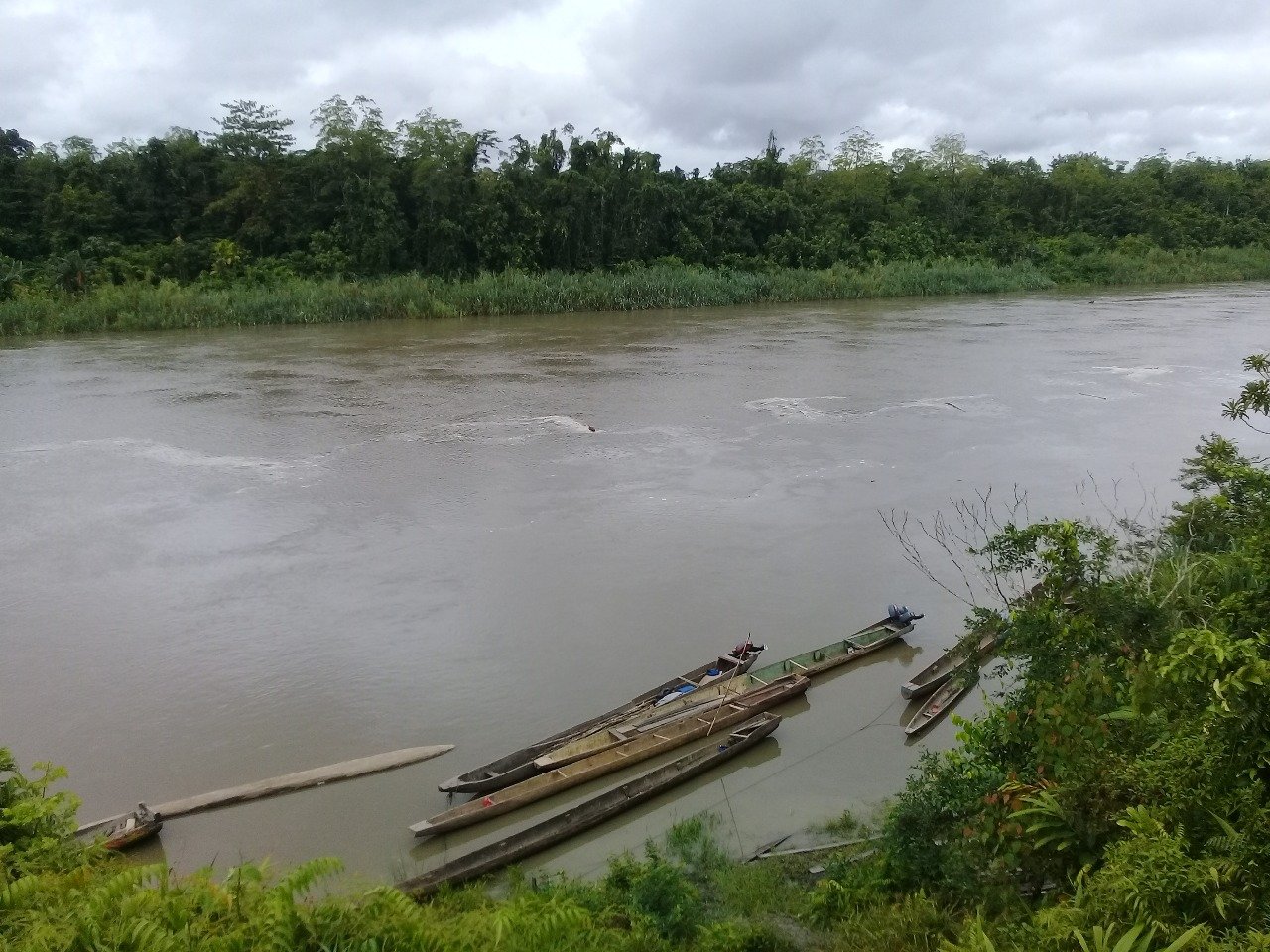
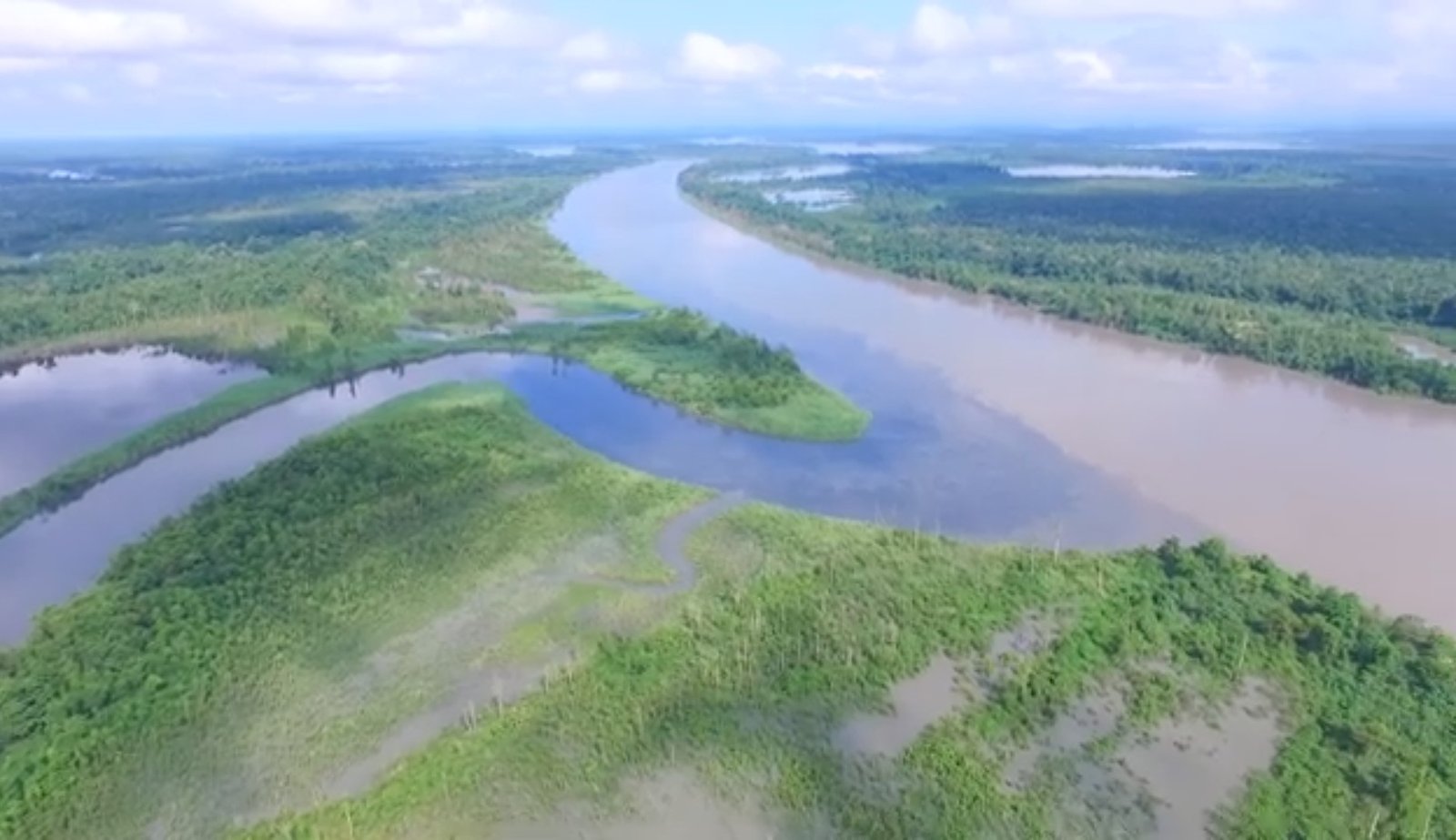
Amid the northern reaches of Papua’s rainforest, where morning mist descends over deep valleys and the Mamberamo River flows endlessly, lies a 1.7-million-hectare expanse — the Mamberamo Foja Wildlife Reserve.
Yet behind this grandeur lies a quiet irony: only two field officers are assigned to protect an area half the size of Java Island.
This Wildlife Reserve spans 12 regencies across three provinces — Papua, Central Papua, and Highland Papua. It is home to more than 30 tribes and sub-tribes, including the four major ones — Batero, Fuao, Kwerfa, and Papasena — whose daily lives are intertwined with the forest and river.
Change Driven by Limitations
The Papua Natural Resources Conservation Agency (BBKSDA) has long faced a dilemma in managing such a vast territory.
Limited human resources and poor accessibility have made protection efforts difficult to sustain. At the same time, Indigenous communities continue to depend on the forest and rivers for their livelihood.
In 2024, an Interdisciplinary Research Team — comprising BRIN, UGM, IPB, UNIPA, and several government institutions — conducted a comprehensive study.
Their conclusion was clear: the Mamberamo Foja Wildlife Reserve should be converted into a National Park, to ensure fairer management for Indigenous peoples and stronger ecological protection through a zonation system.
A Still-Virgin Wilderness
The study found that 79.9 percent of Mamberamo Foja remains primary forest — a blend of dryland and swamp forest that is almost untouched.
Within it live two species of crocodiles — Crocodylus porosus and Crocodylus novaguineae — as well as the golden-mantled tree kangaroo (Dendrolagus pulcherrimus), a rare species found only in northern Papua.
The research team also recorded eight distinct natural ecosystems — from lowland forests, swamps, and coastal zones to riparian and peatland ecosystems — making this the only complete eco-region landscape in northern Papua.
But this diversity faces a slow-burning threat: 107,000 hectares of deforestation over the past three decades, driven partly by infrastructure development and local livelihood activities, and partly by natural degradation.
Humans and Rivers, Inseparable
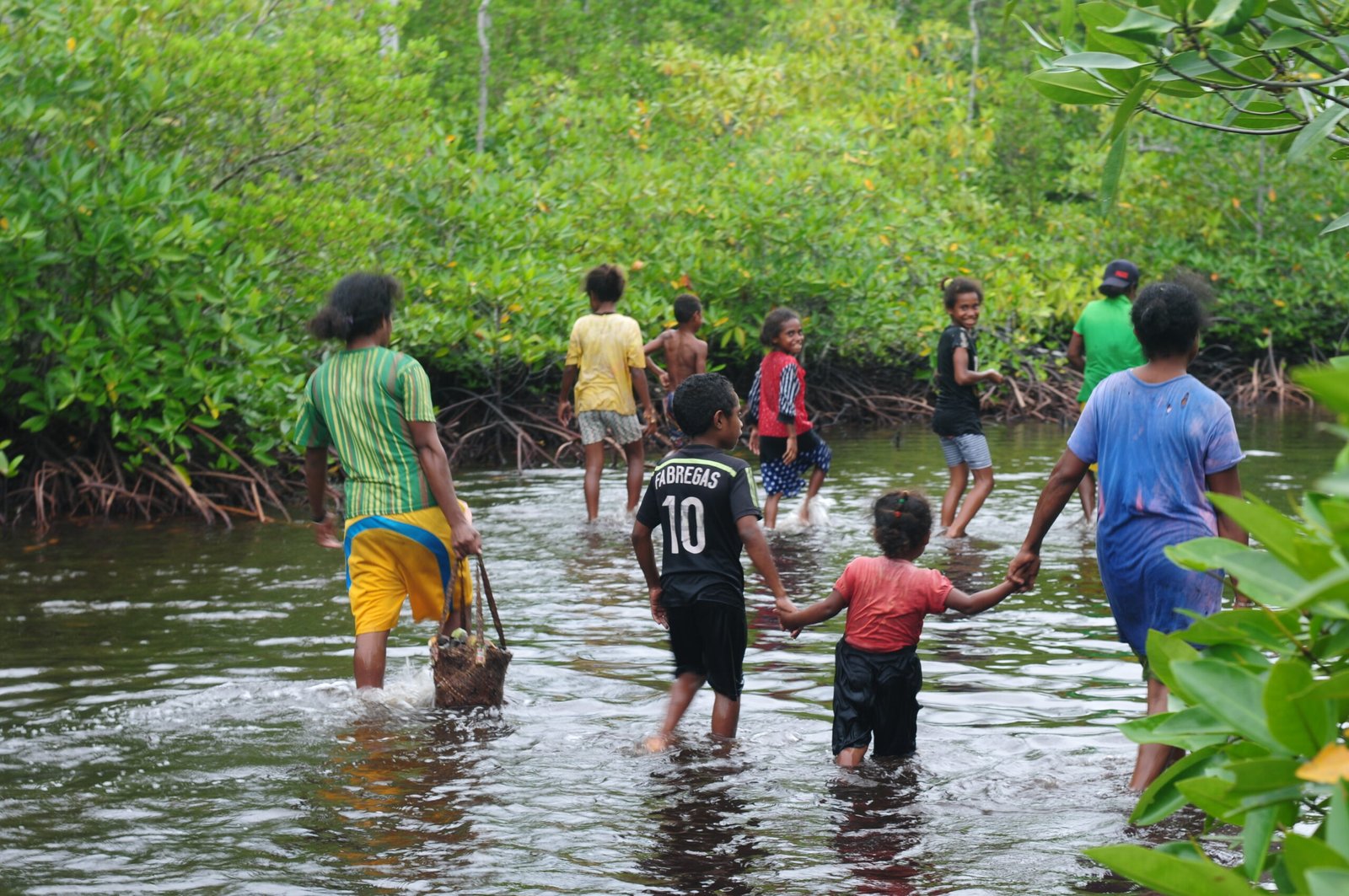
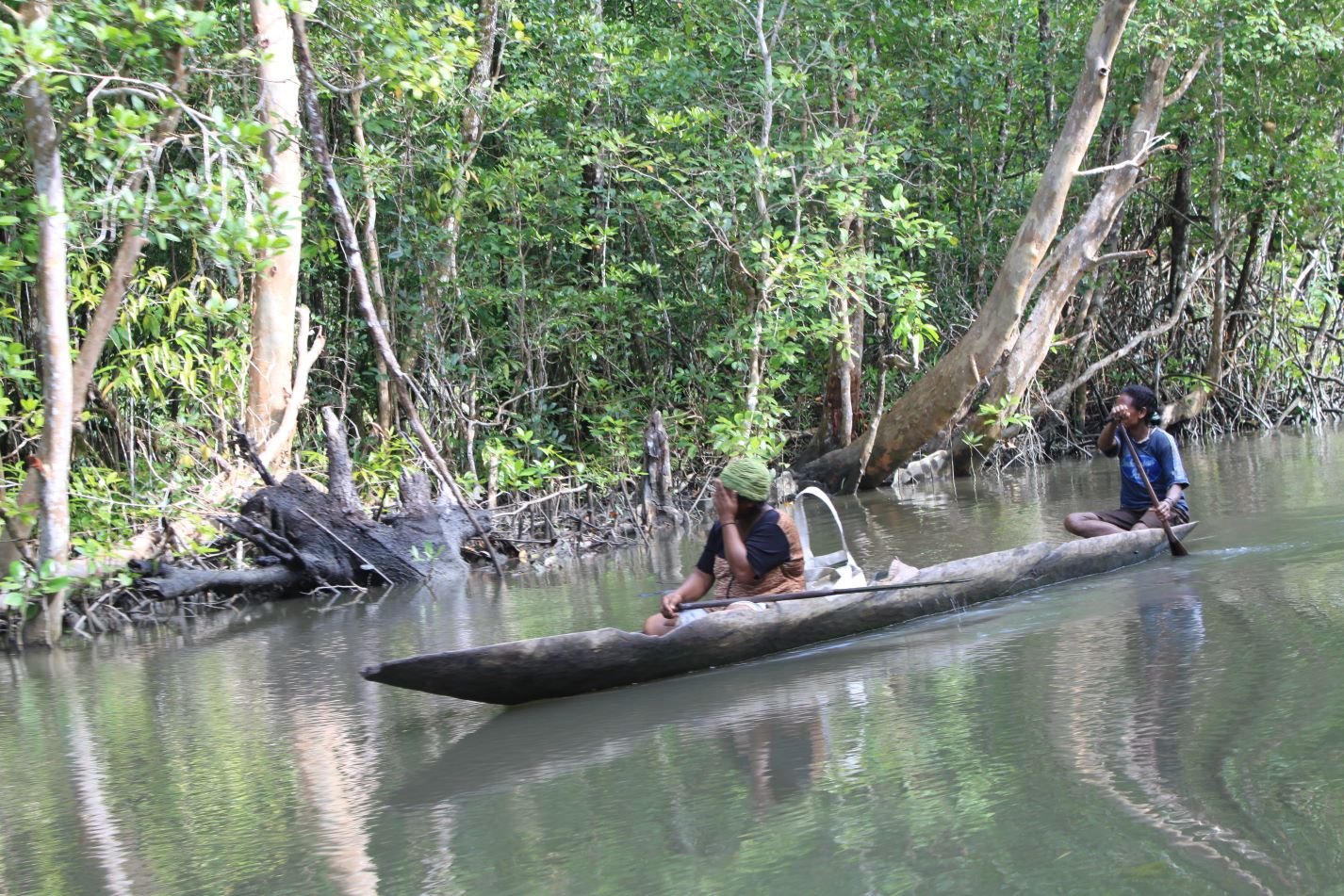
For the Indigenous peoples of Mamberamo Foja, rivers and forests are life itself.
They hunt cuscus and wild pigs, pound sago, and harvest timber modestly to build homes — all in rhythm with nature, never crossing customary boundaries.
However, the formal conservation system that has existed for decades often ignores these realities.
Protected area boundaries were drawn without recognizing customary land limits, leading to land disputes and growing distrust toward government authorities.
“Knowledge of clan boundaries is passed down orally, without maps or written records. That’s why communities are easily suspicious when boundaries are imposed from outside,” wrote the Interdisciplinary Team in its official report.
Conflict Risks and the Need for Dialogue
Social studies found at least 29 settlements within the protected area — some of which existed long before the reserve was declared.
This situation fuels tension between local living needs and rigid conservation rules.
Conflict potential also arises from rumors of carbon funding spreading across villages — said to come from international agencies, yet never verified or realized.
People hear promises but see no results. For them, trust is not built through words but through presence.
Seeking Common Ground between Custom and Policy
Despite these tensions, all parties agreed that creating a National Park is necessary — not to add new restrictions, but to build a more participatory management system.
In a Focus Group Discussion (FGD) held in Jayapura, Indigenous leaders, NGOs, and government representatives met to deliberate.
After long discussions, they agreed on a new name: Mamberamo Weja National Park — Weja means “land of life.”
Customary leaders emphasized that the new park must allow communities to remain the guardians of the forest, not mere spectators of conservation policy.
A Space for Hope: Conservation from Within
The team’s final recommendations outlined three core focuses for the Mamberamo Foja National Park:
- Protecting eight natural ecosystems in northern Papua;
- Conserving endemic species such as crocodiles and tree kangaroos;
- Preserving local culture through custom-based conservation partnerships.
This approach is expected to become a new model of conservation in Papua — where nature, people, and policy move in harmony.
Protecting the forest, it reminds us, is not about excluding humans, but empowering those who live with it.
The Beating Heart
Mamberamo Foja is the green heart of Papua — beating quietly, yet sustaining countless lives.
As the state plans to change its status into a National Park, the question is not merely bureaucratic:
Can humans and nature coexist within one space of ecological justice?
Two field officers still guard a wilderness that swallows the horizon.
But within that silence, hope grows — that one day, conservation will no longer be about forbidding, but about caring — together.(*)
(This article is based on the Interdisciplinary Research Team’s Report on the Proposed Status Change of Mamberamo Foja Wildlife Reserve into a National Park, October 2024.)