In Papua, hunting is not merely the act of searching for food—it is an inseparable part of indigenous life. Often, humorous tales accompany the journeys of hunters into the wilderness.
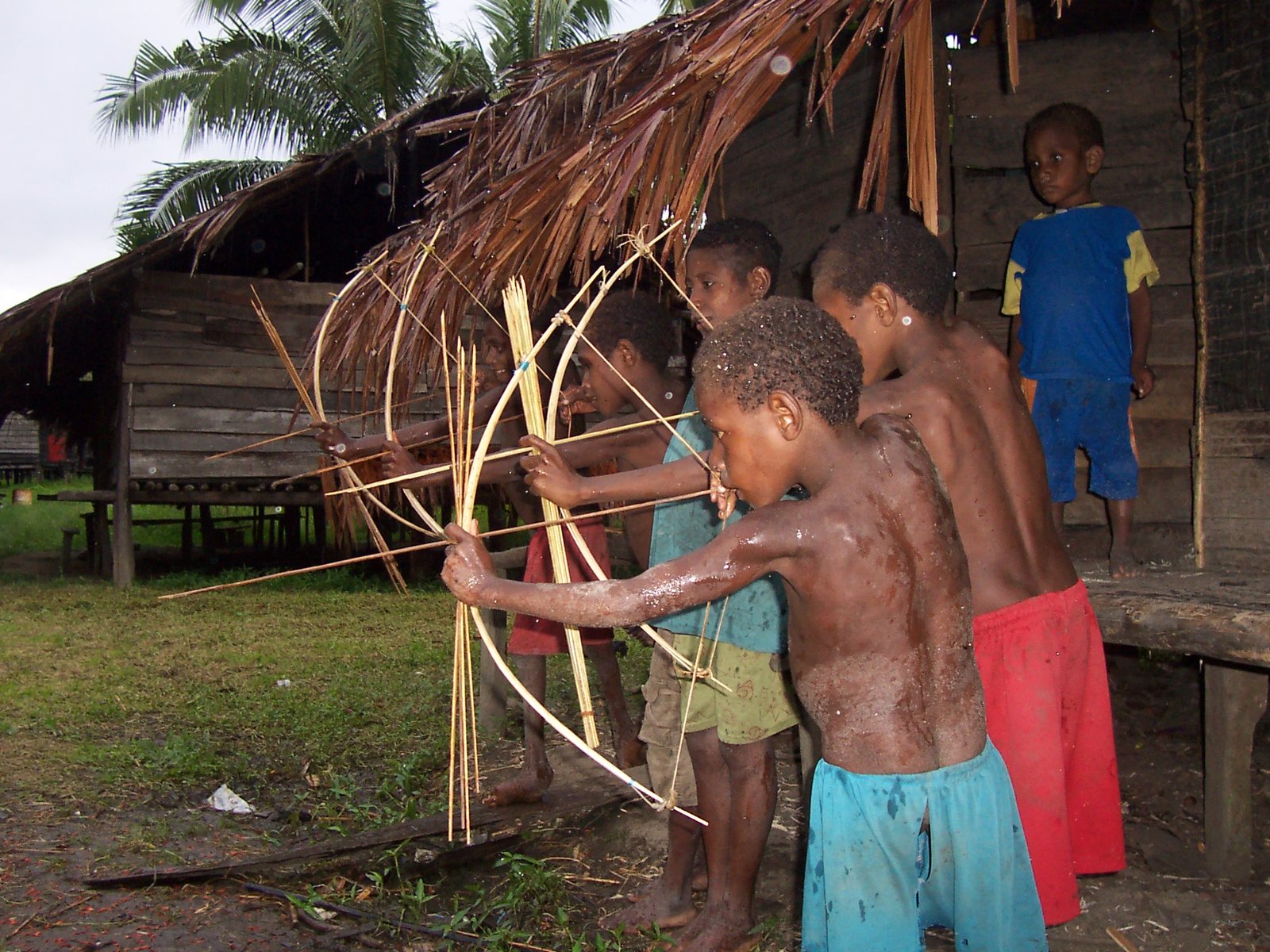
One day in a village, a group of men prepared to go hunting deep in the forest. They carried bows and arrows, accompanied by their best hunting dogs. Among them was a young man joining the hunt for the first time. His face radiated excitement, though he couldn’t fully hide his nervousness.
When they reached the middle of the forest, a large wild boar suddenly darted across their path. The senior hunters quickly took position, releasing their arrows one after another. But the young man lowered his bow and ran in the opposite direction.
One of the older hunters shouted, “Hey! Why are you running? Chase the boar!”
Breathing hard, the young man replied, “You go ahead and chase it! I came here just for the experience, not to face the boar head-on!”
Laughter echoed through the forest. From that day on, the joke about “hunting for the experience” became a running gag every time they prepared to head into the woods.
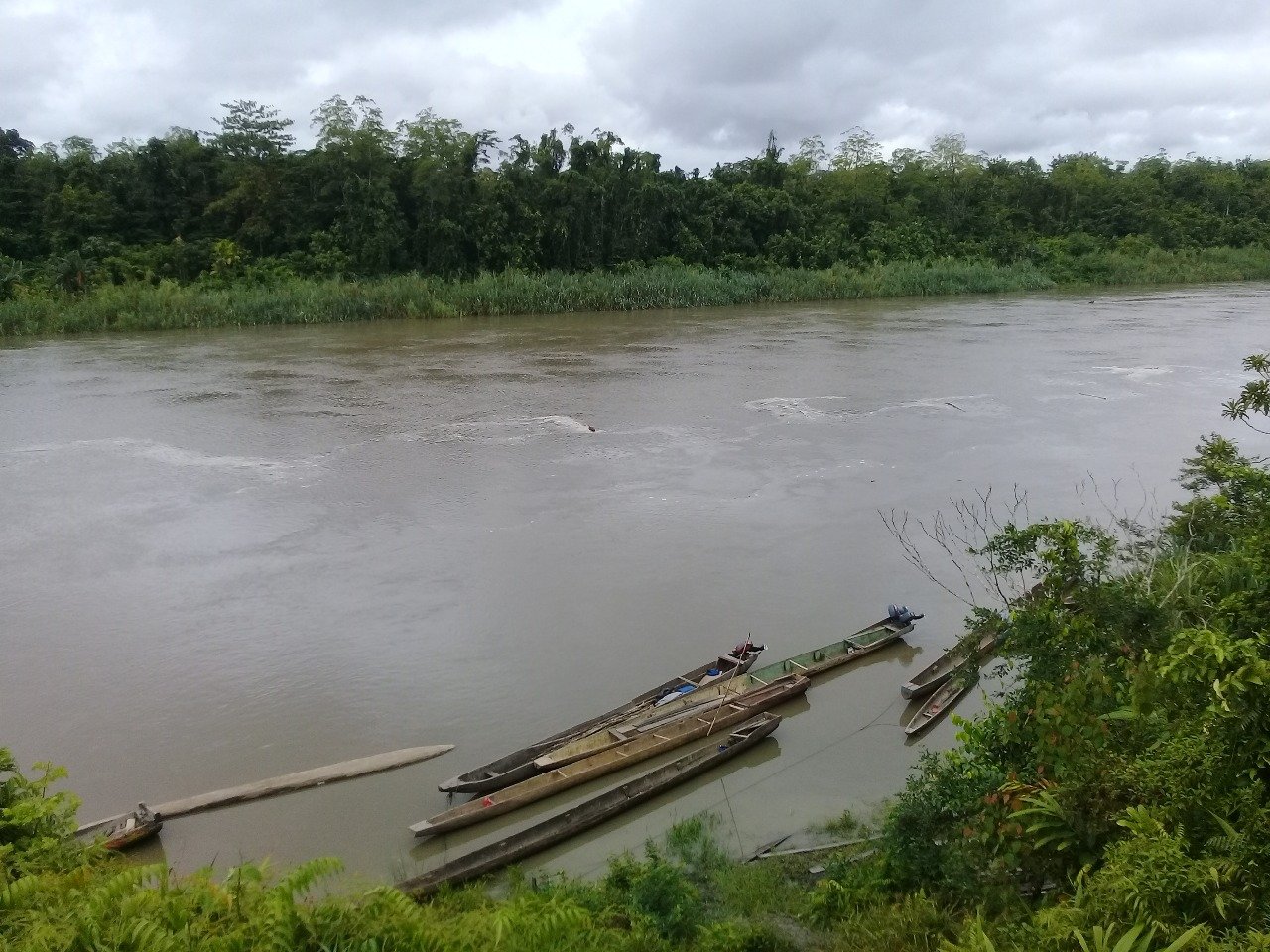
That little story is just a glimpse of how humor continues to thrive, even within a hunting tradition full of challenges. I myself witnessed this tradition firsthand while joining a hunt with villagers from Kustra Village in Mamberamo. The tribal chief invited us to take part in what they call usir tanjung—a term used in almost every village along the banks of the Mamberamo River.
That day, the villagers gathered early in the morning. With the help of hunting dogs, several men and young boys managed to capture two wild boars not far from the village. What struck me most was the fair way in which the meat was divided. Using tree branches as tally markers, they called out each household head by name. The meat portions were distributed according to the number of branches, ensuring everyone received a fair share.
Although in Indonesian the word tanjung means “cape” or “land jutting into the sea,” in this context usir tanjung refers to a traditional communal hunting method involving nearly all the villagers—men, women, and children alike.
Women and children form the driving team, while the adult men act as archers. The drivers create loud noises on the opposite side of the forest from where the archers stand—shouting and striking tree trunks to drive wild animals toward the hunters’ line. When the animals cross, the hunters release their arrows in quick succession.
In a single hunt, they may capture two or three wild animals, depending on the team’s strength and equipment. The catch is shared equally among everyone involved—both drivers and archers. No one claims a larger share than another.
The usir tanjung tradition is usually held during important occasions: major celebrations, traditional house constructions, or large communal feasts. The goal is not only to obtain meat but also to help the village women prepare the main dishes. In their ancestral belief, a feast is incomplete without wild boar or other game meat.
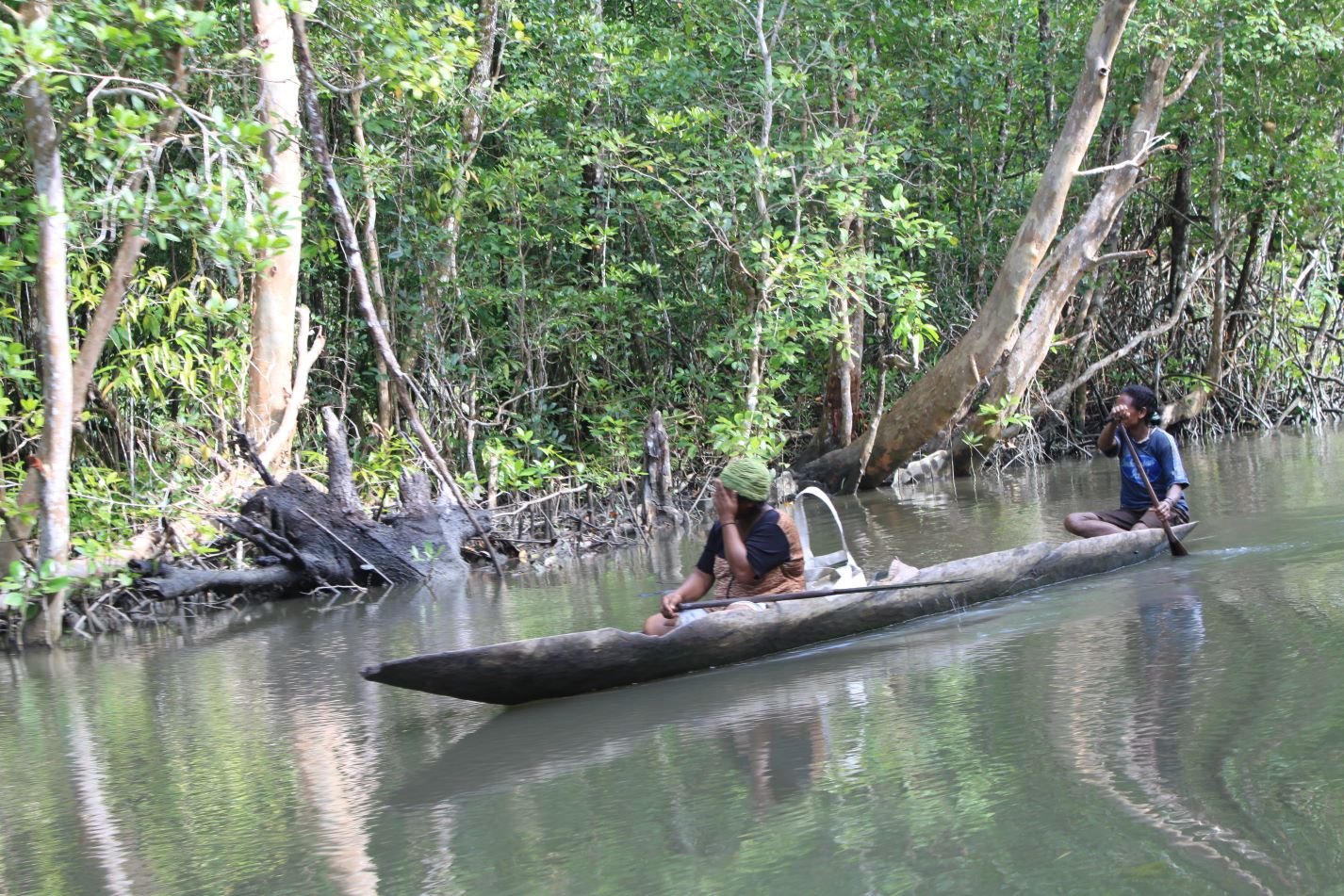
To this day, communities along the Mamberamo River still practice this tradition. For them, hunting is part of living in harmony with nature. They know which parts of the forest can be used and which must remain untouched. This local wisdom has long preserved the delicate balance of the Mamberamo landscape’s ecosystem.
More than a means of sustenance, usir tanjung reflects the life philosophy of the Mamberamo indigenous people—about mutual cooperation, togetherness, and respect for the nature that sustains them.*
By : Andi/Intsia Papua