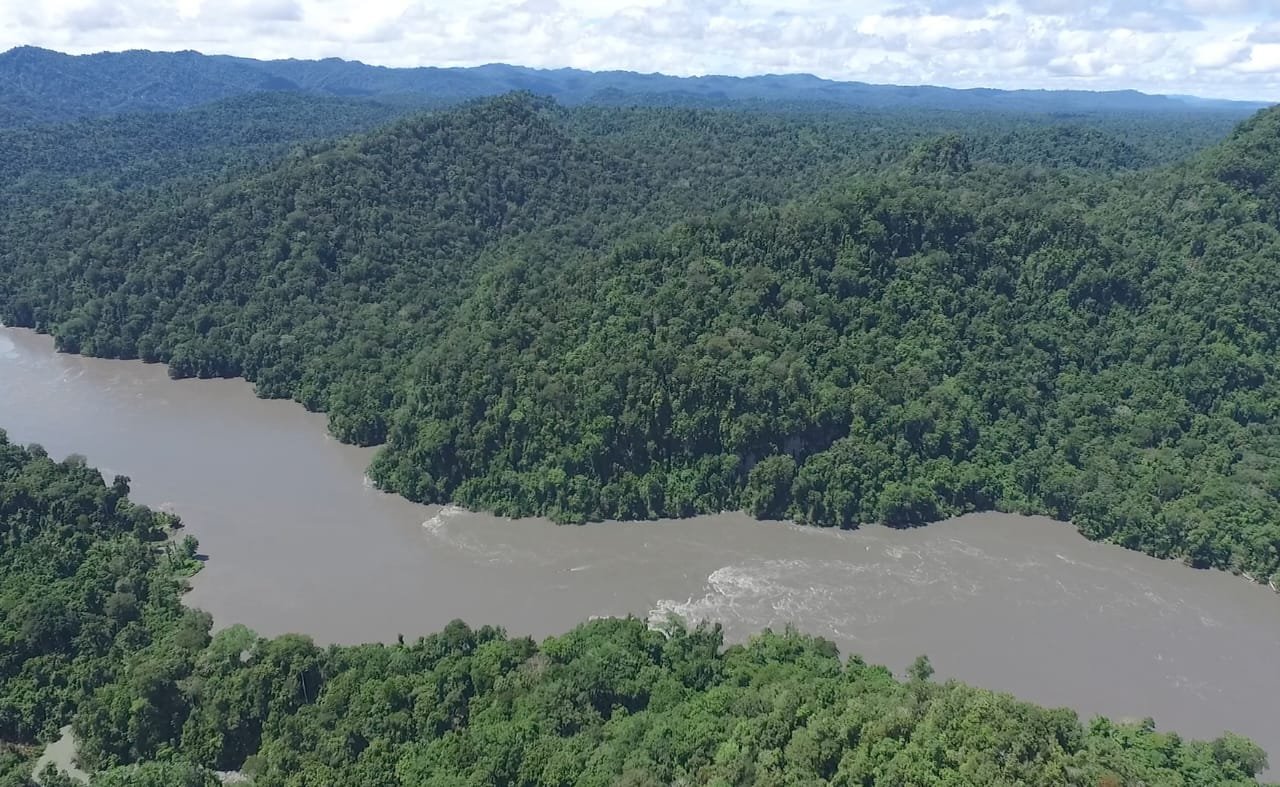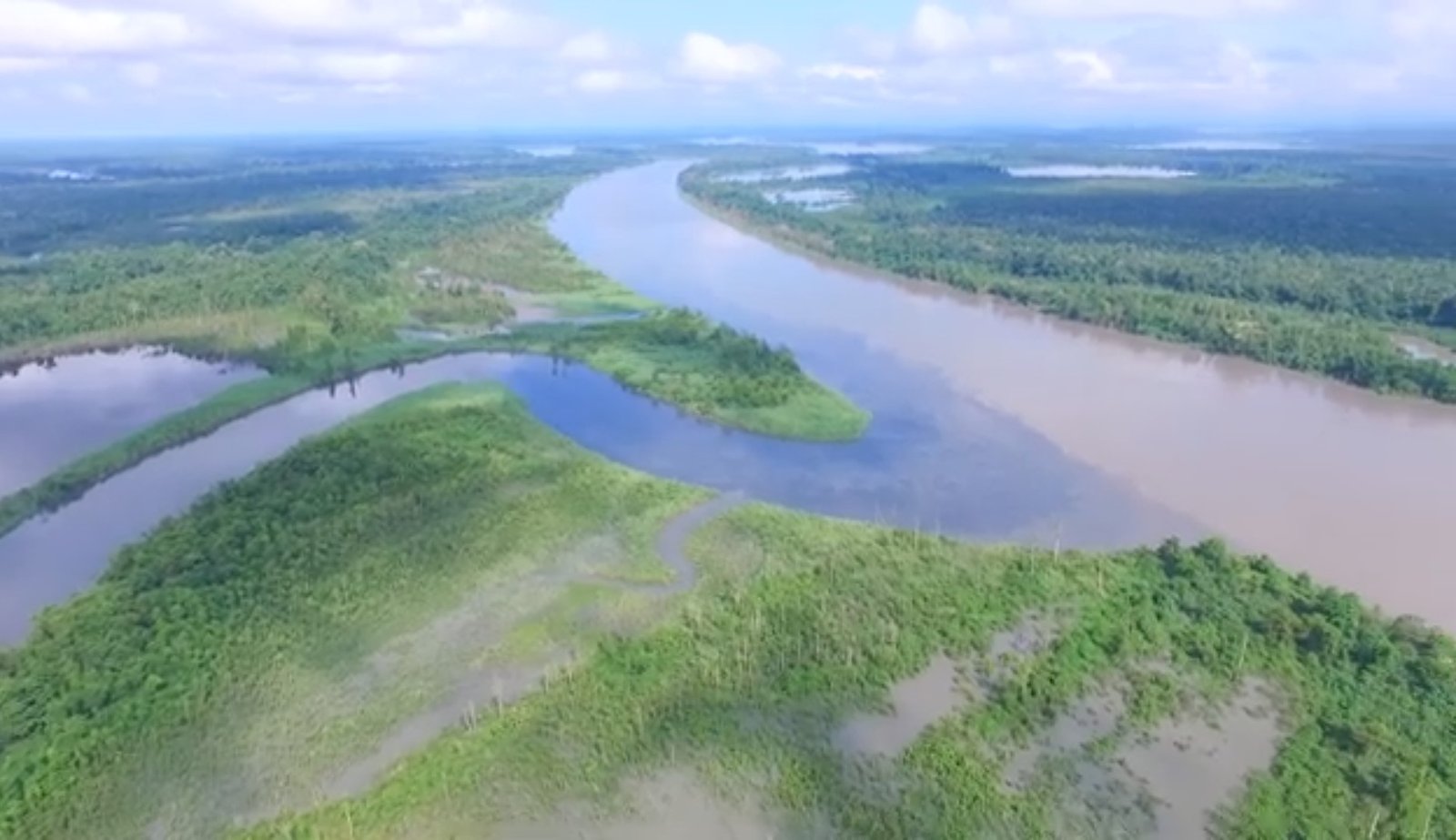
Jakarta — Minister of Environment and Forestry (LHK) Siti Nurbaya officially declared the Mamberamo National Park on Tuesday, 15 October 2024. This conservation area becomes the 57th national park in Indonesia, following the declaration of Mutis Timau National Park in East Nusa Tenggara on 8 September 2024.
Mamberamo National Park spans three provinces — Papua, Central Papua, and Highland Papua — covering 12 administrative regencies with a total area of 1.7 million hectares. The area was previously designated as the Mamberamo Foja Wildlife Reserve, which has now been reclassified as a national park.
Minister Siti emphasized that conservation areas are the last strongholds of Indonesia’s biodiversity. Over the past decade, the Ministry of Environment and Forestry has implemented a range of strategic initiatives, including policy innovation, multi-stakeholder collaboration, and conservation management transformation to strengthen protection across these areas.
“Through Law No. 32 of 2024, amending Law No. 5 of 1990, the government is seriously strengthening the three pillars of conservation — expanding preservation areas, improving law enforcement, strengthening funding, and promoting community participation in conserving natural resources and ecosystems,” said Minister Siti.
She also expressed appreciation to local governments, indigenous communities, and village representatives who supported the research and recommendations that led to the reclassification of the area.
“I have read and carefully noted the aspirations of the regents, indigenous leaders, and village residents, both written and spoken, to the integrated team,” she added.
Biodiversity and Community Hopes
The Mamberamo Raya Regency Government welcomed the new national park status, as the region is home to rare species such as Birds-of-Paradise and various endemic fish that are vital for conservation.
The management of this area, local leaders stressed, must involve communities and recognize indigenous knowledge that has guided sustainable living for generations. The national park is also expected to improve local welfare, both economically and through human resource development in forestry, conservation, and ecotourism.
Commitment to International Support
Bryan O’Donnell, representative of the Bezos Earth Fund, expressed admiration for the region’s rich biodiversity and cultural diversity. He emphasized that Mamberamo National Park is not only crucial for global biodiversity but also for the livelihoods of local communities.
“This area must be carefully planned so that surrounding communities can benefit sustainably. Local traditions must be part of the conservation approach,” said Bryan.
He added that the Bezos Earth Fund is committed to supporting multi-stakeholder conservation campaigns that promote a harmonious relationship between humans and nature.
Three Direct Benefits for Communities
Minister Siti addressed public feedback by reaffirming that Mamberamo National Park’s management must be collaborative, involving both indigenous peoples and local governments. She outlined three main benefits from the park’s establishment:
- Access to Basic Public Services
The new status allows for the construction of infrastructure and public service facilities, including inter-village roads, electricity, telecommunications, clean water, education, and healthcare — all through designated special-use zones within the park. - Community-Based Ecotourism Development
The park offers remarkable tourism potential — from mangrove tours, river cruises, wildlife observation (birds, crocodiles, wallabies), to visits to traditional villages. These opportunities will be developed in the utilization zones, where indigenous communities will play a leading role and gain direct economic benefits. - Protection of Indigenous Rights and Traditions
Around 30–35 tribes and sub-tribes live within the area. Traditional activities such as gardening, hunting, fishing, and sago processing, as well as sacred sites like ancestral villages, will be managed within traditional and religious zones.
Call for Collaboration and Formation of a Management Unit
Minister Siti called on all stakeholders — from central and regional governments to academics and indigenous peoples — to work together to manage Mamberamo National Park sustainably.
She specifically instructed the Director General of Natural Resources and Ecosystem Conservation (KSDAE) to establish and propose the park’s management unit immediately. Meanwhile, the Papua KSDAE Regional Office will continue managing the area until the new unit is formally established.
“May this reclassification truly bring benefits and become a concrete step toward preserving our shared natural and cultural heritage,” concluded Minister Siti.
Intsia Papua Foundation’s Role
One organization receiving special recognition is the Intsia Papua Foundation, which has consistently accompanied communities and stakeholders across the Mamberamo region for over seven years throughout the transition from a wildlife reserve to a national park.
The Foundation’s facilitation has been crucial in building understanding and trust between indigenous communities and the government. Intsia has served as a bridge for dialogue, strengthened local community capacity, and supported data collection and research essential for the scientific review behind the reclassification.
Intsia’s contribution also includes strengthening indigenous rights, facilitating cross-sectoral meetings, and preparing community-driven recommendations. Through its participatory and cultural approach, Intsia ensured that the process of changing the area’s status was not only legally formalized but also socially and culturally grounded.
(Written by Nafli / Intsia Papua)